Introduction
Hibiscus is a tropical plant belonging to the Malvaceae (Mallow) family, known for its large, colorful blooms used in gardens, landscaping, and even herbal treatments. With hundreds of species varying in size, color, and growth patterns, it is native to the warm regions of Asia, Africa, and the Pacific Islands. Today, it has become a globally popular ornamental plant.

Botanical Characteristics
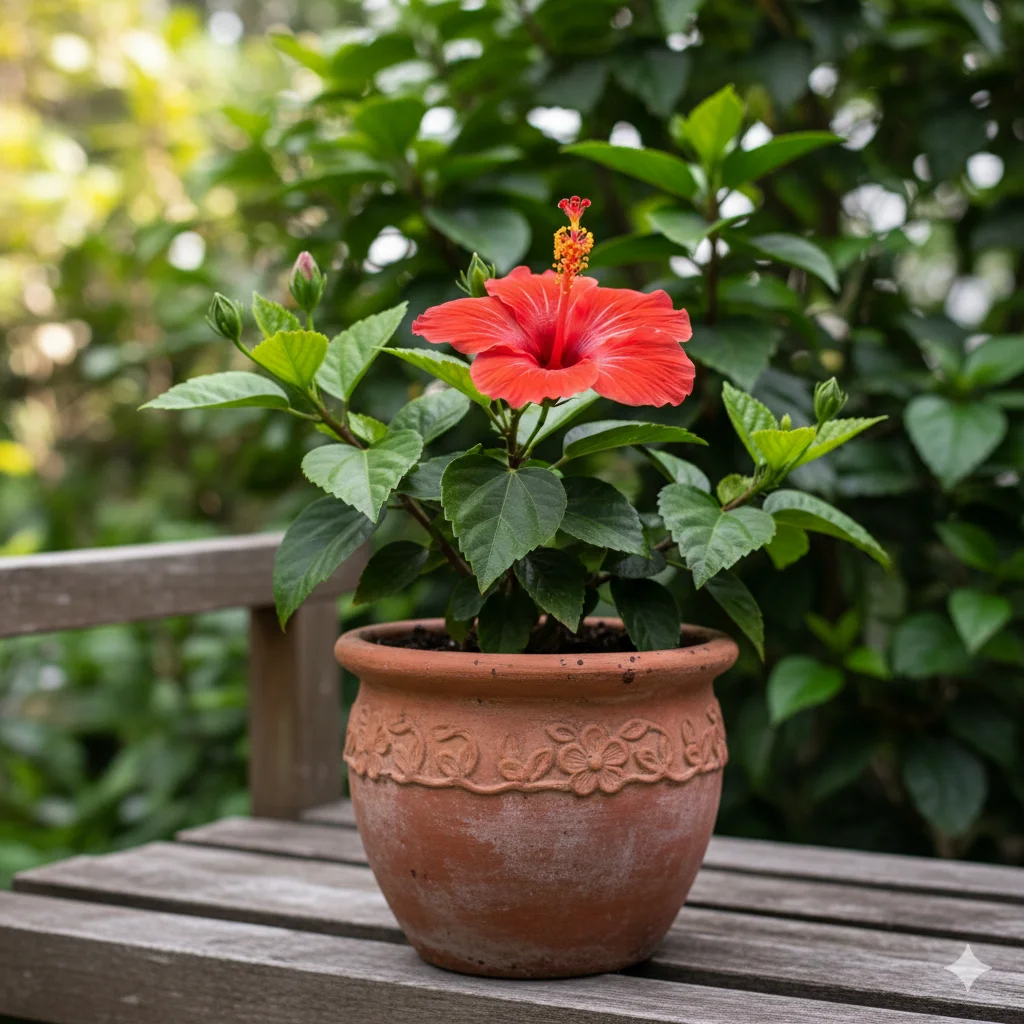
Hibiscus plants range from small shrubs to medium-sized trees, typically growing between 1–4 meters. They feature glossy green leaves—usually oval or heart-shaped with serrated edges. Their most striking feature is the flower: large, trumpet-shaped, and usually blooming individually. Colors include red, pink, yellow, white, and orange. While individual blooms often last only a day, the plant provides a long flowering season by blooming successively throughout the summer.
Common Species
- Hibiscus rosa-sinensis: Known as the Chinese Hibiscus; popular for its large red, pink, or yellow flowers.
- Hibiscus syriacus: Known as the Rose of Sharon; hardy and adaptable to colder climates.
- Hibiscus sabdariffa: Used for culinary and health purposes; its calyces are used to make hibiscus tea.
Cultivation and Care
Hibiscus thrives in warm, sunny environments with well-draining soil. Key care tips include:
- Sunlight: Blooms best in spots receiving at least 6 hours of sun daily.
- Watering: Keep the soil moist but not waterlogged. Water more frequently during the blooming season.
- Fertilization: Balanced fertilizers rich in potassium ensure vibrant flowers.
- Pruning: Prune in spring to encourage new growth and shape the plant.
- Pests and Diseases: Aphids, spider mites, and whiteflies may appear. Regular maintenance and organic pesticides help protect the plant.
Uses of Hibiscus
- Ornamental: Used for visual appeal in gardens, balconies, or pots.
- Culinary: Hibiscus sabdariffa is used for teas, jams, and sauces. The tea is famous for its tart flavor and deep red color.
- Health: Hibiscus tea is believed to help lower blood pressure, improve digestion, and provide antioxidants.
- Cultural Significance: In many cultures, it symbolizes beauty, love, and hospitality. In Hawaii, the flowers are traditionally worn in the hair.
Propagation
Hibiscus can be grown from seeds or cuttings. Cuttings from healthy, mature plants are the most reliable method. Once placed in moist soil, they typically root within a few weeks.
Potted Hibiscus: Ideal for Homes and Balconies
Growing Hibiscus in pots is both easy and decorative. Here is what you need to know:
- Light Requirement: Needs at least 6 hours of direct sunlight for healthy blooms.
- Watering: Keep soil moist; increase frequency during hot summer months.
- Soil and Pot Selection: Use well-draining, lightweight soil. Ensure the pot has drainage holes at the bottom.
- Fertilization: Use potassium-heavy fertilizer 1–2 times a month during summer.
- Pruning: Clean out old or dead branches in spring to stimulate growth.
- Pests: Monitor for aphids or spider mites and treat naturally if necessary.
- Propagation: Easily propagated by planting a healthy stem cutting in moist soil.
Extra Tip: For those interested in brewing their own tea, make sure to choose the Hibiscus sabdariffaspecies, as not all hibiscus varieties are used for consumption!
Leave a Reply