plant care
-
Why Are Your Monstera Leaves Turning Yellow? 5 Common Causes and Fixes
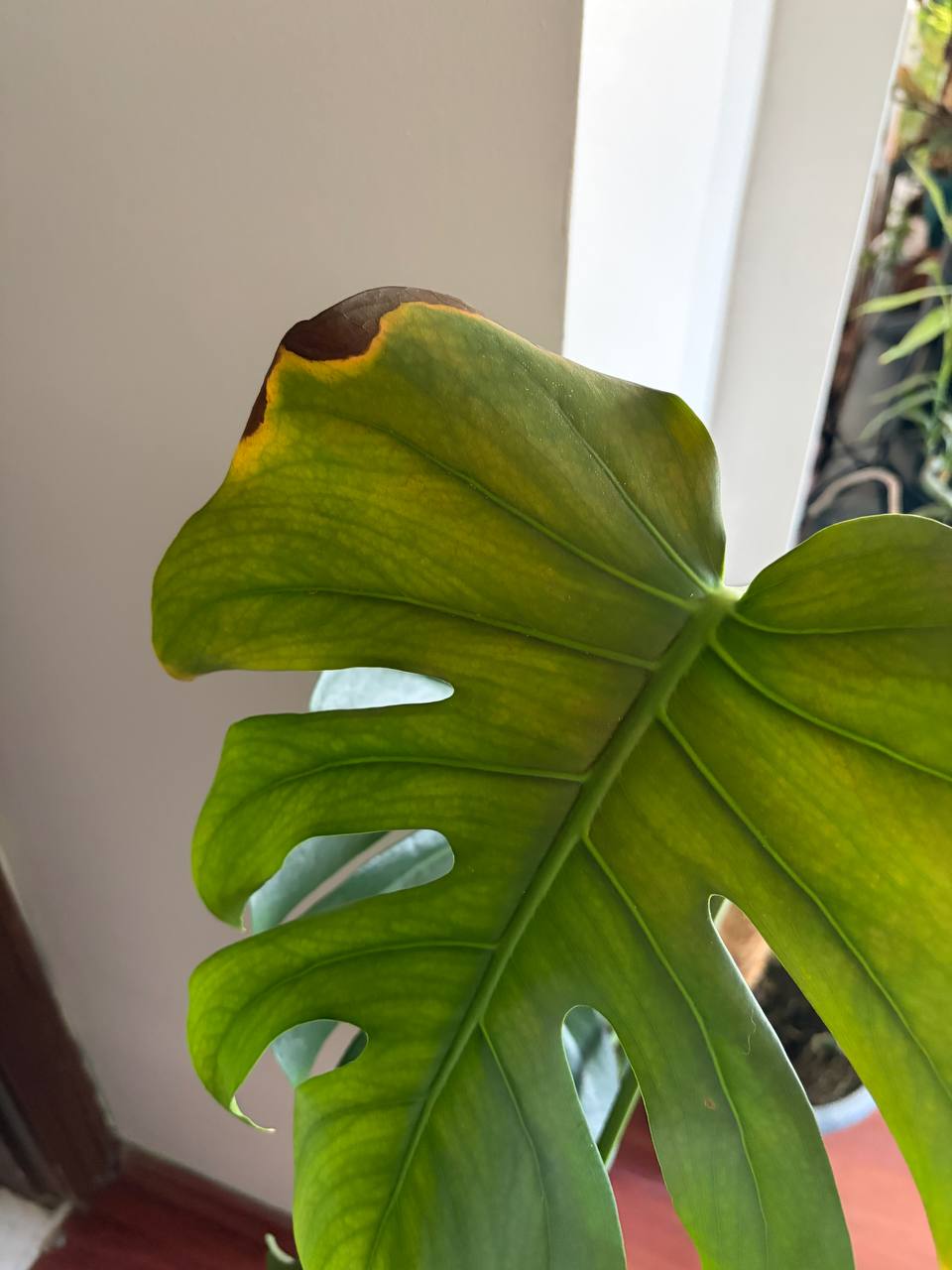
Monstera deliciosa is easily one of the most beloved houseplants, but finding yellow leaves can catch any plant parent off guard. Yellow foliage is your plant’s way of telling you something is out of balance. 1. Overwatering Sitting in soggy soil suffocates the roots and triggers root rot, which turns leaves limp, soft, and yellow. 2. Underwatering…
-
Hydrangea: The Magic of Colors, Care, and Varieties
Hydrangea: The Magic of Colors, Care, and Varieties Hydrangea (Hydrangea macrophylla) is a classic choice for gardens and balconies alike. With its broad leaves, globe-shaped flower clusters, and striking colors, it delivers consistent visual appeal throughout the growing season. Its most distinctive feature is its soil-dependent coloration: bloom shades shift directly in response to soil…

-
Perennial Houseplants: Long-Lasting Green Companions
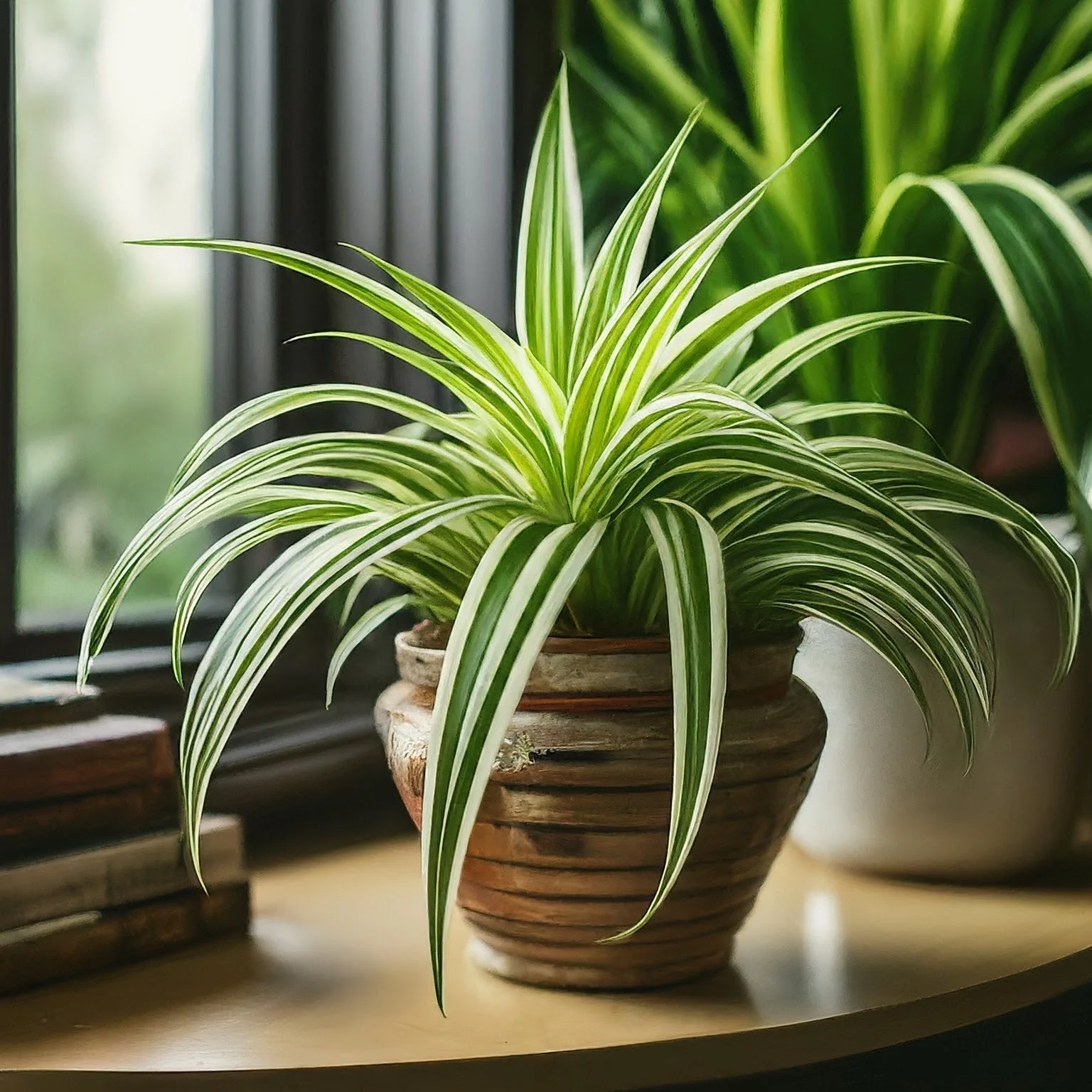
Houseplants bring vitality, color, and freshness to our living spaces. However, not all plants are the same. While some live for only one season, others—perennial houseplants—can live for years, or even decades, with the right care. Perennial houseplants stand out for being easy to maintain, hardy, and sustainable. This makes them ideal for anyone wanting…
-
What is Rudbeckia (Coneflower)? Characteristics and Care
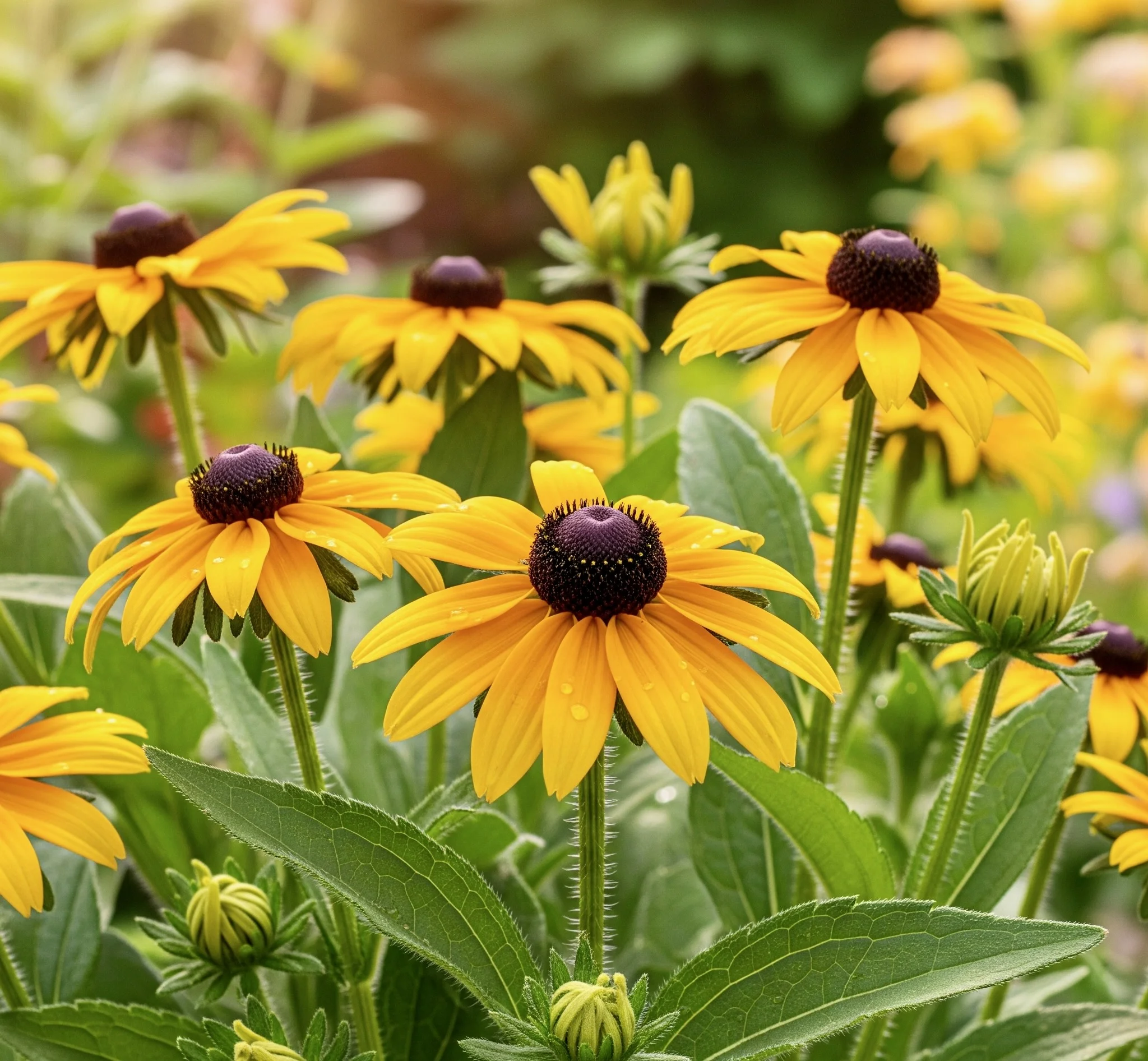
What is Rudbeckia (Coneflower)? Characteristics and Care Rudbeckia is a highly resilient ornamental plant belonging to the daisy family (Asteraceae). It is well-known for its bright yellow petals and contrasting dark brown or black centers. Commonly referred to as the Black-eyed Susan or Coneflower, it is native to North America but is frequently preferred in gardens and landscaping projects…
-
Potted Hibiscus Care: Flowers for Homes and Balconies
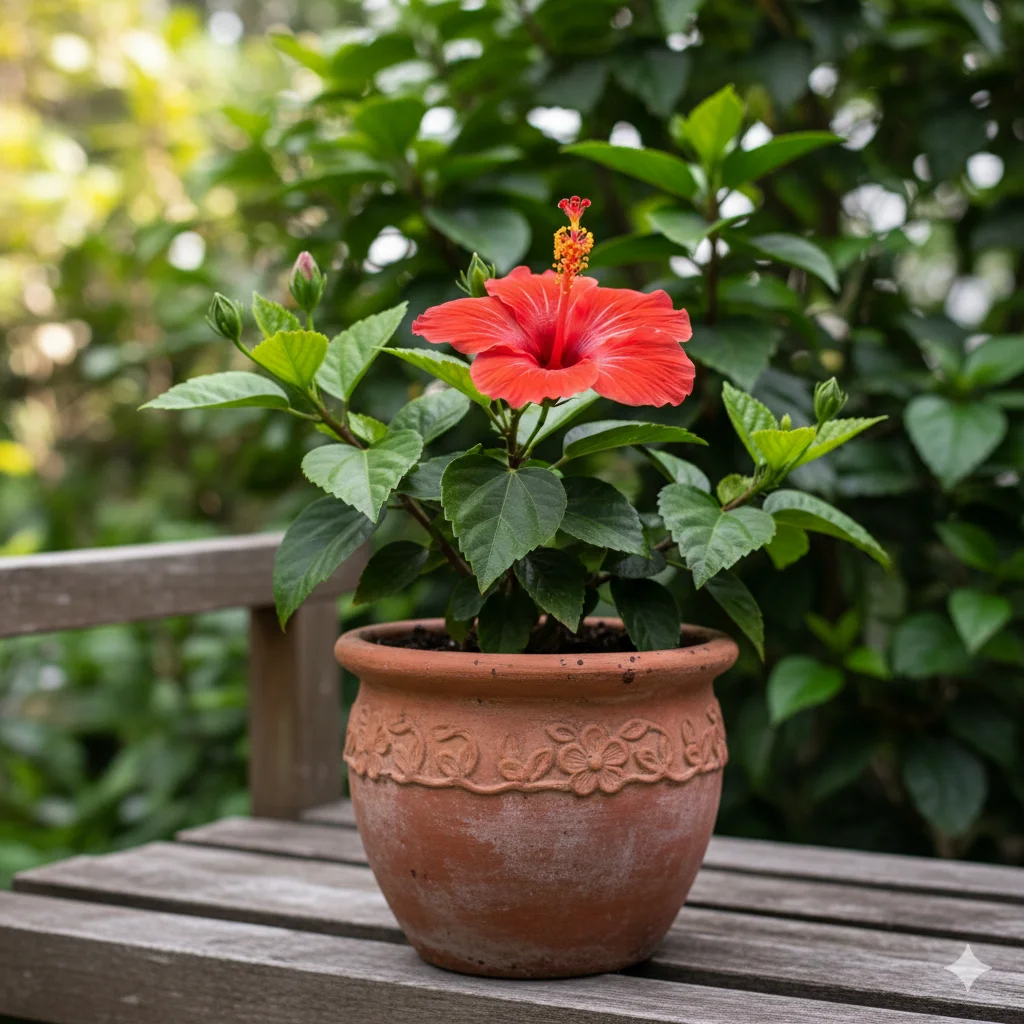
Introduction Hibiscus is a tropical plant belonging to the Malvaceae (Mallow) family, known for its large, colorful blooms used in gardens, landscaping, and even herbal treatments. With hundreds of species varying in size, color, and growth patterns, it is native to the warm regions of Asia, Africa, and the Pacific Islands. Today, it has become a globally…